

 See My Latest Article on HelloNation
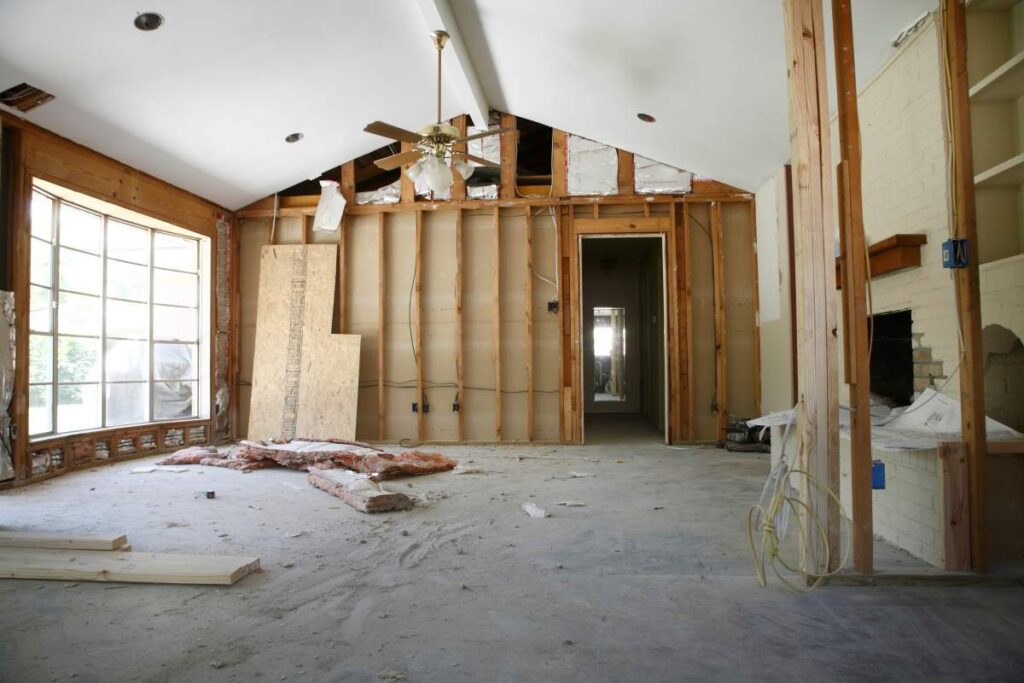
What is the most effective way to make a home quieter?
The most effective soundproofing strategy is to identify how noise is entering or moving through the home, then address the weakest path first. In many rooms, that means sealing air gaps around doors, improving wall or ceiling assemblies, and reducing vibration through floors, framing, or mechanical equipment.
Sound travels in two main ways:
- Airborne sound moves through the air, such as voices, traffic, barking, television, and music.
- Impact and structure-borne sound travels through building materials, such as footsteps, dropped objects, plumbing noise, and vibrating appliances.
A heavy wall may block voices fairly well but still transmit low-frequency bass or impact noise. Likewise, adding soft furnishings can reduce echo inside a room without stopping sound from passing through the walls.
Where should soundproofing begin?
Start with the room that needs improvement and listen at different times of day. Note whether the noise is coming through a door, window, shared wall, ceiling, floor, duct, or plumbing opening. A simple inspection often reveals that sound is entering through a smaller gap than expected.
Check these areas first:
- Gaps beneath interior and exterior doors
- Cracks around window trim
- Electrical outlets and switch boxes on shared walls
- Plumbing and wiring penetrations
- Recessed lights and ceiling access panels
- Floor registers and return-air grilles
- Unsealed joints between drywall and the floor or ceiling
Sound follows air movement, so even a narrow opening can weaken an otherwise solid wall. Flexible acoustic caulk is generally more useful than rigid filler because it can remain sealed as materials expand and contract.
In older homes found throughout Grand Rapids, MI, years of remodeling may have left behind patched drywall, unsealed openings, hollow doors, or inconsistent insulation. A careful inspection is often more productive than immediately adding another layer of wall material.
Do doors and windows make a major difference?
Yes. Lightweight doors and poorly sealed windows are frequent weak points, especially in bedrooms, home offices, and rooms facing busy streets.
A hollow-core interior door allows considerably more sound through than a solid, dense door. Replacing it with a solid-core door can help, but the improvement depends on the surrounding frame and the seal. Add compression weatherstripping around the jamb and a door sweep or automatic door bottom at the threshold.
For windows, begin by sealing movable parts and trim gaps. Heavy curtains can reduce high-frequency sound and indoor reflections, but they do not replace a properly sealed window assembly. If exterior noise remains a serious problem, laminated glass or specially designed acoustic glazing is more effective than ordinary double-pane glass alone.
Winter temperature swings and humid summers can cause materials to expand, contract, or shift slightly. Flexible sealants and properly fitted weatherstripping are better suited to these seasonal changes than brittle, permanent fillers.
How can an existing wall be soundproofed?
An existing wall can be improved by increasing mass, reducing vibration, and limiting sound movement through cavities. The best approach depends on whether the wall is open for remodeling.
If the wall is staying intact, practical measures include:
- Sealing perimeter joints and penetrations
- Adding a dense second layer of drywall
- Using a resilient attachment system designed to reduce vibration
- Replacing lightweight trim or wall sections that are loosely attached
- Filling accessible cavities with suitable sound-control insulation
A second drywall layer works better when it is separated from the framing by an appropriate vibration-reducing system. Simply attaching more rigid material directly to the existing wall adds mass but may transmit vibration through the same framing.
If drywall is being removed, cavity insulation can help with voices and general room noise. It should fill the cavity evenly without being compressed. Insulation alone is not a complete soundproofing system; gaps, rigid connections, and unsealed edges can still carry sound.
Electrical boxes can also create weak points. Boxes placed back-to-back in adjoining rooms are especially problematic because they reduce the effective separation between spaces. Remodeling work may provide an opportunity to improve their placement and seal openings around them.
What helps with noise between floors?
Noise between floors requires attention to both the ceiling below and the floor above. Footsteps, toys, pet movement, and dropped objects are impact sounds, so adding insulation to a ceiling cavity may not solve the entire problem.
Effective strategies may include:
- Adding rugs or padded floor coverings in high-traffic areas
- Securing loose subfloor sections that squeak or vibrate
- Using an underlayment beneath new flooring
- Installing resilient channels or other vibration-control systems below a ceiling
- Adding insulation between floor joists when the ceiling is open
- Sealing gaps around ducts, pipes, and wiring
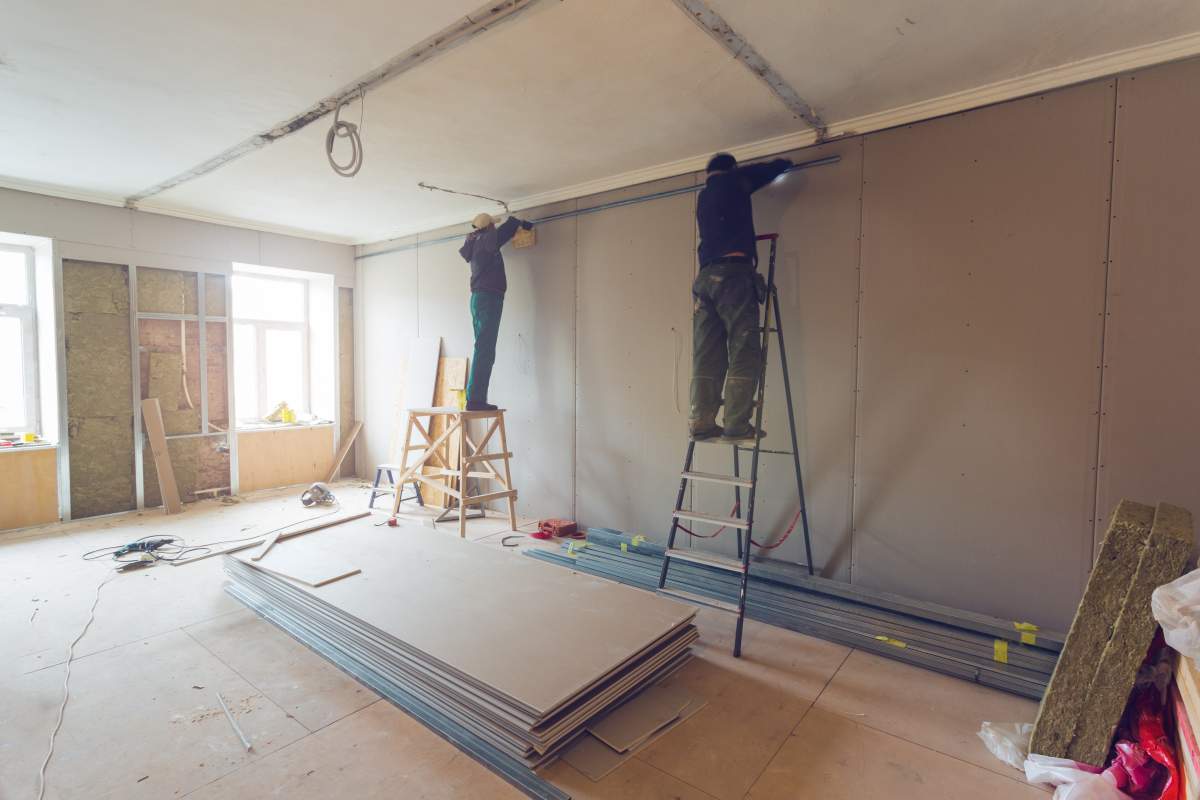
Carpet and cushioned underlayment are often helpful for reducing impact noise, while dense ceiling assemblies are more useful for voices and television noise. Hard flooring installed directly over a wood subfloor can make footsteps more noticeable, particularly in older homes with flexible framing.
Can HVAC and plumbing noise be reduced?
Mechanical noise often requires a different solution from wall soundproofing. Furnaces, air handlers, exhaust fans, sump pumps, and water lines can transmit vibration through framing and ducts.
Start by identifying whether the sound is caused by airflow, equipment vibration, or water movement. Loose duct panels may rattle, while undersized or sharply angled ducts may produce noticeable rushing sounds. Flexible connections, properly supported equipment, and lined duct sections can reduce vibration and turbulence when installed correctly.
Water supply lines can knock when valves close quickly or when pipes move inside wall cavities. Drainpipes are often audible because they carry both water and vibration. Wrapping or isolating accessible pipes may help, but plumbing changes should preserve access, drainage, insulation, and required clearances.
Mechanical rooms should not be tightly sealed without considering ventilation and equipment requirements. Any remodeling near fuel-burning appliances or combustion air openings must preserve safe operation.
Do soft furnishings actually soundproof a room?
Soft furnishings do not truly soundproof a room, but they can make it feel much quieter by reducing echo. Bookshelves, upholstered furniture, rugs, curtains, and fabric wall treatments absorb or scatter reflected sound.
These measures are particularly useful in rooms with hardwood, tile, bare drywall, and large open surfaces. They can improve speech clarity and reduce the harshness of television or household noise.
For the greatest benefit, distribute furnishings rather than placing every soft item on one wall. A room with some absorption on the floor, walls, and ceiling usually sounds more comfortable than a room treated in only one location.
What soundproofing mistakes should be avoided?
Several common approaches produce disappointing results:
- Adding thin foam panels and expecting them to block neighboring noise
- Sealing a door but leaving a large gap beneath it
- Installing insulation without addressing drywall gaps or framing connections
- Using rigid spray foam or caulk where materials need to move
- Covering vents that are required for heating, cooling, or safety
- Assuming thicker drywall alone will stop low-frequency noise
- Ignoring flanking paths through floors, ceilings, ducts, and adjoining rooms
Soundproofing is rarely about one special material. It is an assembly problem. Mass, airtightness, separation, absorption, and vibration control must work together.
For area households planning a larger remodel, the most efficient time to improve sound control is before walls, ceilings, or floors are closed. If the work involves electrical changes, structural alterations, asbestos-containing materials, lead-based paint, combustion equipment, or concealed moisture damage, safety and code requirements should take priority over noise reduction.