

 See My Latest Article on HelloNation
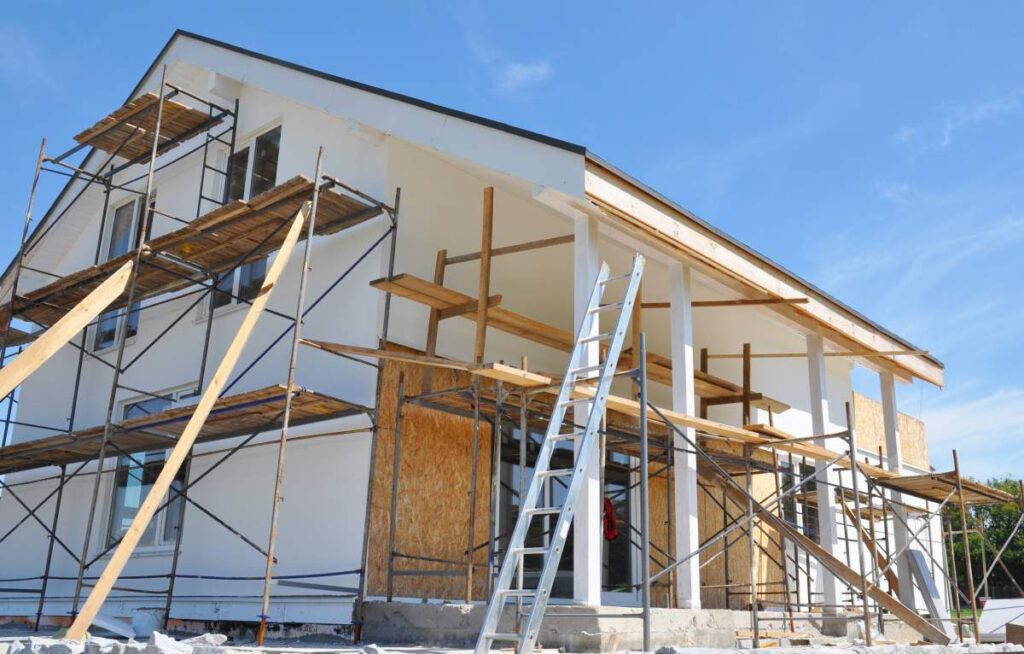
What improvements make the biggest difference for the least money?
The most noticeable curb appeal improvements usually involve cleanliness, visual balance, and the condition of the home’s entry area. In Grand Rapids, MI, where homes experience snow, ice, road salt, spring moisture, and summer heat, basic maintenance often produces better results than expensive decorative upgrades.
Start by looking at the property from the street and from the sidewalk. Notice anything that appears neglected, crowded, faded, or uneven. A short list of targeted improvements may include:
- Cleaning the siding, porch, steps, windows, and exterior light fixtures
- Trimming overgrown shrubs and removing dead branches
- Refreshing worn mulch or defining garden edges
- Repainting the front door or porch furniture
- Replacing damaged house numbers or a cracked welcome mat
- Improving the visibility and appearance of the walkway
These projects can be completed gradually rather than all at once. The goal is to make the exterior look cared for and easy to approach.
How should a front entry be refreshed on a budget?
The front door is often the visual center of a home’s exterior. Cleaning it thoroughly may be enough to improve its appearance, but a properly prepared coat of exterior paint can create a stronger change for relatively little cost.
Before painting, remove dirt, dust, peeling paint, and loose hardware. Lightly sand rough areas and use an exterior-rated primer where needed. Choose a color that works with the siding, brick, trim, and roof rather than selecting a shade that competes with the entire façade.
A simple entry arrangement can include:
- A clean, weather-resistant doormat
- A pair of planters or one substantial container
- Clearly visible house numbers
- A functioning porch light with a clean lens
- A swept and uncluttered landing
Symmetry is not required, especially on older homes with uneven or narrow porches. However, grouping a few related items together usually looks more intentional than scattering many small decorations around the entrance.
Is pressure washing safe for every exterior surface?
No. Pressure washing can remove dirt quickly, but excessive pressure may damage wood siding, soft brick mortar, painted surfaces, window seals, and older materials. A garden hose, soft brush, and mild exterior cleaner are often safer starting points.
For wood siding, use a gentle method and avoid forcing water behind boards. Keep spray away from electrical fixtures, outlets, door thresholds, and window openings. Never use a pressure washer on a surface that is already peeling, cracked, or structurally weak without understanding how the water may worsen the damage.
In neighborhoods with mature trees, exterior surfaces may collect algae, pollen, and organic debris. Cleaning these areas can make the home look brighter without changing its materials. Wait for suitable weather, and allow surfaces to dry before painting or applying any protective coating.
Which landscaping changes provide the most visual improvement?
Landscaping affects curb appeal most when it improves the shape and visibility of the property. Overgrown plants can hide windows, block the front door, or make walkways feel narrow. Trimming plants to reveal the home often creates a larger visual improvement than adding new ones.
Focus on the areas visitors see first:
- Keep the walkway clear of branches and overgrowth.
- Remove dead annuals, broken stems, and visibly damaged plants.
- Cut back shrubs that cover windows or house numbers.
- Define planting beds with a clean edge.
- Replace thin or scattered mulch with an even layer.
- Pull weeds before adding decorative material.
For long-term value, select plants that can tolerate the region’s cold winters, spring freeze-thaw cycles, and variable summer moisture. Planting too close to the foundation can create maintenance and drainage problems, so leave enough space for air circulation and access.
Avoid placing tall plants where they will hide the porch light or obscure the front door. A small amount of open space around the entrance helps the home appear more welcoming.
How can lighting improve curb appeal without increasing energy use?
Exterior lighting improves appearance and helps people see steps, walkways, and address numbers after dark. It does not need to be elaborate. Clean existing fixtures first, then check whether bulbs are burned out, mismatched, or too harsh.
Useful low-cost improvements include:
- Replacing a cloudy or damaged light cover
- Installing matching bulbs in fixtures that are visible together
- Adding low-level path lighting where steps or uneven pavement create a visibility issue
- Pointing lights toward walking surfaces rather than directly toward the street
- Using timers or motion controls to reduce unnecessary operation
Lighting should support the architecture instead of creating glare. A warm, moderate light level generally feels more comfortable than very bright illumination. Make sure any replacement fixture or bulb is rated for outdoor use and appropriate for cold, wet conditions.
What exterior repairs should be handled before decorating?
Decorative improvements should not cover signs of water damage, unsafe steps, or deteriorating materials. Before spending money on paint or accessories, inspect the entry and lower portions of the home.
Look for:
- Loose handrails or porch boards
- Uneven steps or cracked walking surfaces
- Peeling paint around windows and doors
- Clogged or disconnected gutters
- Downspouts that release water near the foundation
- Rotting wood, soft trim, or exposed fasteners
- Missing shingles or damaged flashing visible from the street
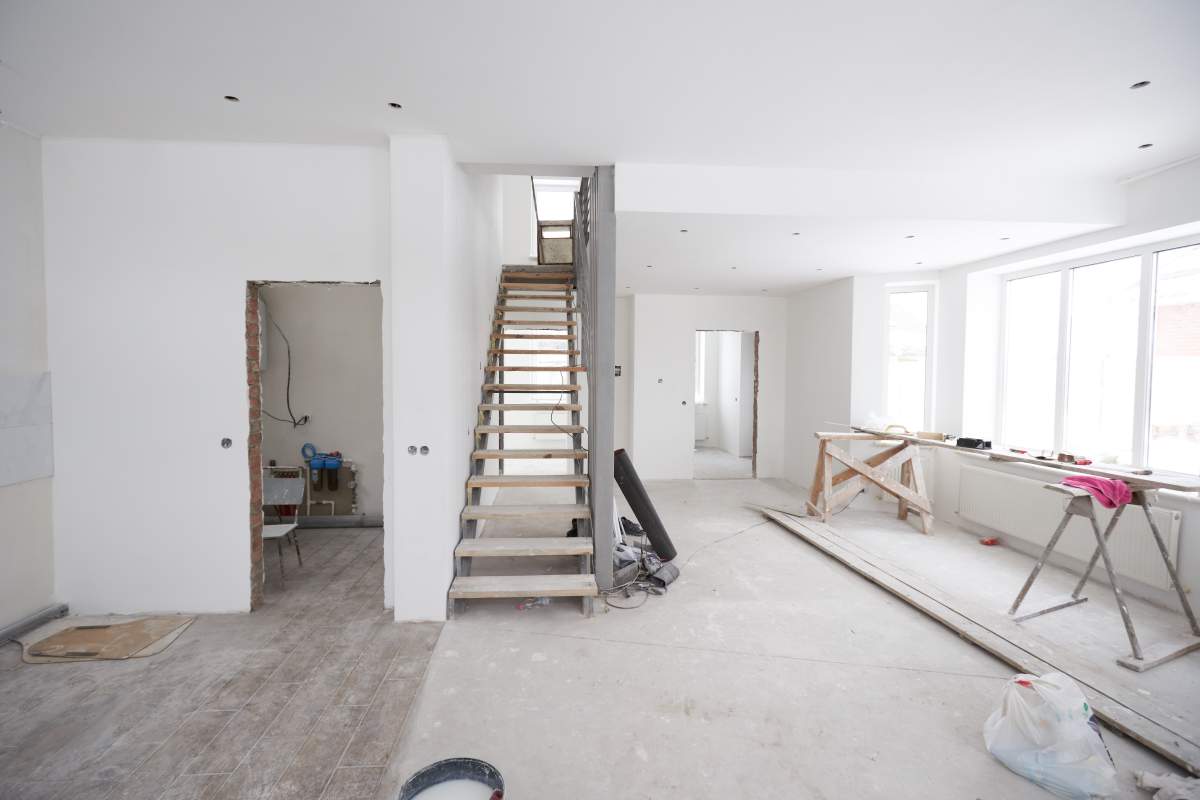
Snow and ice can worsen small defects through repeated freezing and thawing. Water that remains against siding, trim, or foundation walls may create more serious damage over time. Safety-related problems and hidden structural deterioration deserve priority over appearance.
Some repairs involve electrical work, elevated areas, lead-based paint, or structural components. Those conditions may require qualified assistance because an attractive finish does not correct an underlying hazard.
How can curb appeal be improved for older homes?
Older homes often look best when improvements respect their proportions and existing materials. Replacing every visible feature is usually unnecessary and can make the exterior feel disconnected from its original design.
Instead, consider modest updates such as cleaning original trim, repainting a tired door, restoring visibility to decorative details, or replacing only broken hardware. If the home has wood siding, painted brick, historic-style windows, or a distinctive porch, use materials and colors that complement those features.
Avoid mixing too many styles. For example, a traditional porch may look less cohesive if surrounded by highly decorative signs, unrelated planters, and several competing paint colors. A restrained palette of two or three exterior colors is often easier to maintain and visually calmer.
What curb appeal mistakes should be avoided?
The most common mistakes are usually related to excess, neglect, or poor timing. Adding decorations cannot compensate for weeds, dirty siding, damaged steps, or an obstructed walkway.
Avoid:
- Blocking windows with large planters or dense shrubs
- Using indoor furniture or fabrics outdoors
- Spreading mulch against wood siding
- Painting damp or dirty surfaces
- Installing lights that shine into neighboring windows
- Choosing plants without considering mature size
- Leaving seasonal decorations out long after the season ends
- Covering drainage problems with landscaping materials
For homes exposed to winter salt and snow removal, inspect the lower portions of steps, fences, and foundation-adjacent plantings after winter. Rinsing salt residue from appropriate surfaces and repairing small damage during mild weather can help prevent a worn appearance from becoming a larger maintenance issue.
What is a practical order for completing the work?
A sensible sequence is to clean first, repair second, shape the landscape third, and decorate last. This prevents new materials from being damaged while basic work is underway.
A low-cost weekend plan might look like this:
- First: Remove clutter, sweep hard surfaces, wash accessible exterior areas, and clean light fixtures.
- Next: Trim plants, clear the walkway, pull weeds, and refresh bed edges.
- Then: Repair loose hardware, damaged steps, gutters, or peeling areas.
- After that: Paint the front door or selected trim when weather and surface conditions are suitable.
- Finally: Add restrained lighting, house numbers, planters, or seasonal details.
The most effective improvements are those that make the home cleaner, safer, easier to find, and better maintained. For many area households, that combination provides a noticeable change without requiring a major exterior renovation.