

 See My Latest Article on HelloNation
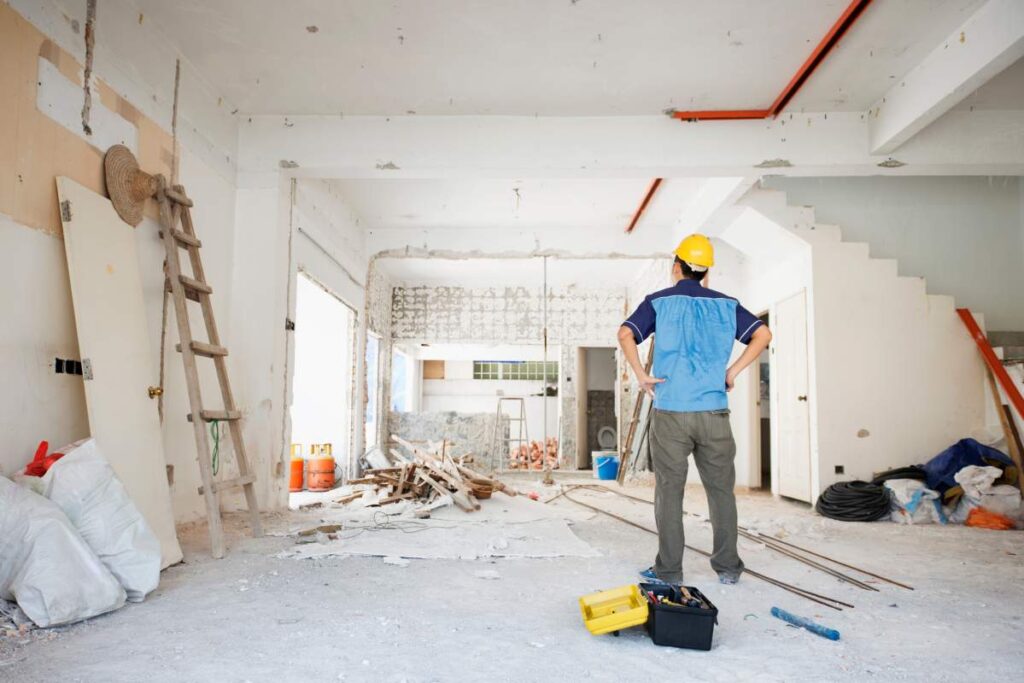
Home upgrades do not have to involve a full renovation to improve comfort, appearance, or long-term durability. For households in Grand Rapids, MI, the most cost-effective projects often address air leakage, moisture, lighting, storage, and worn surfaces before larger structural changes are considered.
The best choice depends on the home’s age, condition, layout, and maintenance history. A modest project can provide meaningful value when it solves a daily problem, reduces future repairs, or improves how existing space is used.
Which home upgrades usually provide the most value?
The most worthwhile upgrades are often the ones that improve several aspects of a home at once. Better insulation can improve comfort and energy use, while improved lighting can make rooms feel more functional without changing their size.
Common high-value improvements include:
- Sealing drafts around doors, windows, plumbing penetrations, and attic openings
- Replacing damaged or outdated light fixtures with efficient lighting
- Adding storage where clutter affects daily routines
- Updating worn flooring or repainting high-use rooms
- Improving bathroom ventilation and moisture control
- Repairing drainage or water-entry problems before cosmetic work begins
- Replacing aging weatherstripping and door sweeps
These projects are generally less disruptive than moving walls or adding square footage. They also make it easier to evaluate whether a larger renovation is truly necessary.
Should insulation and air sealing come before cosmetic remodeling?
Usually, yes. A home with drafts, uneven temperatures, or excessive winter heating demand may benefit more from air sealing and insulation than from new finishes.
Cold winters, freeze-thaw cycles, and older housing stock can make comfort problems especially noticeable. Before investing in decorative improvements, check for:
- Drafts around window and door openings
- Cold floors above crawl spaces or unheated areas
- Gaps around attic hatches, recessed fixtures, and plumbing penetrations
- Missing or compressed insulation in the attic
- Moisture stains or signs of roof leakage
- Condensation on windows or exterior walls
Air sealing is different from adding insulation. Insulation slows heat transfer, while air sealing reduces uncontrolled movement of indoor and outdoor air. Both may be needed, but moisture problems should be corrected first. Covering a leak or trapping damp materials behind new finishes can create more expensive damage.
What low-cost changes can improve an older kitchen?
A kitchen does not always need new cabinets to look and function better. Cleaning, repairing, and reorganizing existing components can produce a noticeable change at a fraction of the cost of replacement.
Practical options include painting sound cabinet surfaces, replacing damaged hinges, adjusting doors, adding pull-out organizers, and improving task lighting beneath wall cabinets. A worn countertop may be more noticeable than cabinet color, but replacing only the countertop can still cost less than rebuilding the entire room.
Before changing the layout, consider whether the main problem is actually storage, lighting, or counter space. Adding a narrow pantry cabinet, wall-mounted shelving, or a properly sized rolling cart may solve the issue without affecting plumbing or electrical locations.
Avoid covering serious cabinet swelling, soft flooring, or persistent leaks with cosmetic materials. Those conditions should be investigated before finishes are updated.
Are bathroom upgrades worth doing without a full remodel?
Small bathroom improvements can be worthwhile when they address ventilation, water control, safety, or worn surfaces. A quieter, properly vented bathroom can be more comfortable and may help limit moisture-related damage.
Cost-conscious upgrades may include:
- Replacing a weak exhaust fan with a properly sized, vented unit
- Re-caulking sound tubs, showers, and sinks
- Updating a worn toilet seat, mirror, or light fixture
- Installing slip-resistant flooring where appropriate
- Replacing corroded shutoff valves or leaking supply connections
- Adding a recessed medicine cabinet or vertical storage
- Improving lighting around the vanity
Caulk is not a substitute for damaged materials. Soft wall sections, loose tile, stained ceilings, or recurring mold-like growth can indicate hidden moisture. These problems deserve attention before surface repairs.
How can lighting make a home feel more updated?
Lighting is one of the most noticeable improvements that does not require changing a room’s footprint. Layered lighting usually works better than relying on one bright ceiling fixture.
A practical plan may include:
- Ambient lighting for general visibility
- Task lighting for counters, desks, vanities, and work areas
- Accent lighting for shelves, artwork, or architectural details
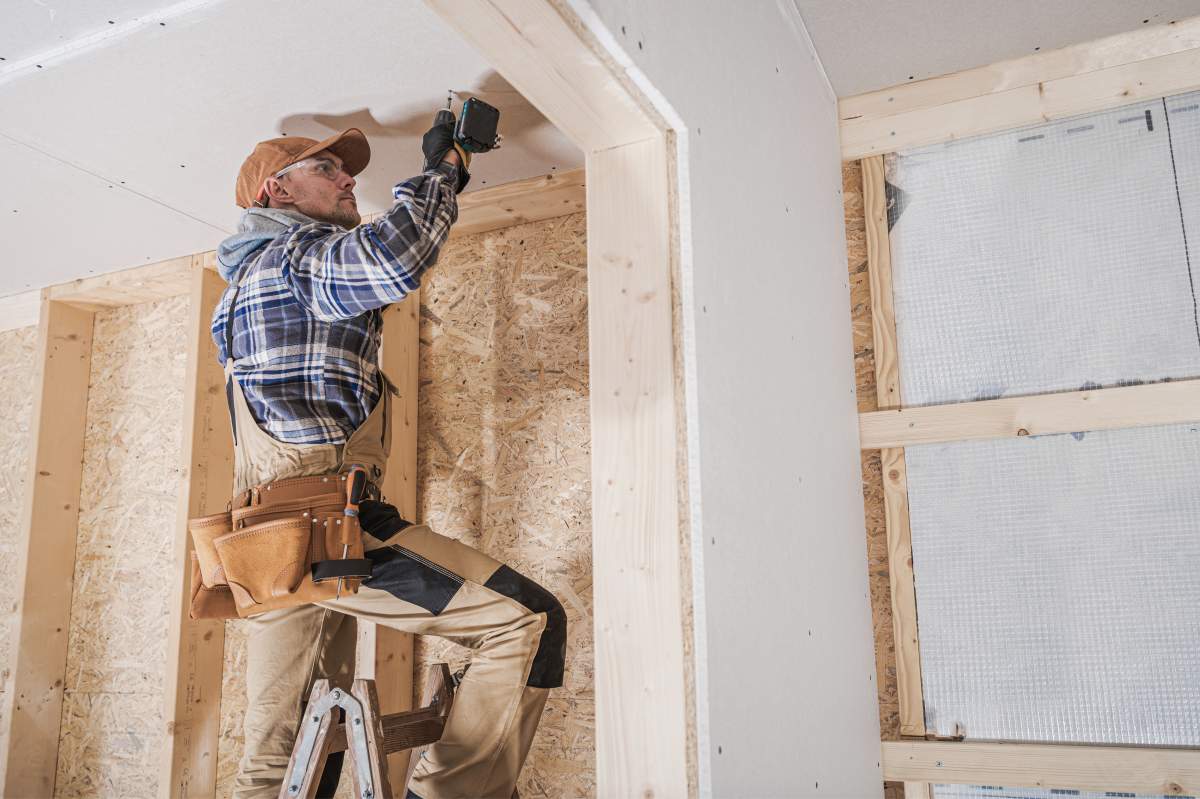
In rooms with limited natural light, warm, evenly distributed fixtures can make the space feel more comfortable. In kitchens and work areas, brighter task lighting can improve visibility. Dimmers are useful in living spaces, but switches and fixtures must be compatible with one another.
Replacing fixtures is not always a simple decorating task. Older wiring, overloaded circuits, loose connections, or unusual switch behavior can create safety concerns. Electrical work that involves new wiring or uncertain conditions should be handled in accordance with applicable requirements.
Which improvements help during cold and wet seasons?
Seasonal durability matters in the local climate. Water, snow, ice, and repeated temperature changes can gradually affect roofs, foundations, siding, windows, and exterior doors.
Helpful maintenance-oriented upgrades include improving roof drainage, extending downspouts away from the foundation, replacing cracked exterior sealants, repairing damaged flashing, and installing durable entryway flooring. A well-designed mudroom or entry storage area can also protect interior floors from tracked-in moisture and salt.
Basement and crawl-space conditions deserve attention. Musty odors, damp masonry, peeling paint, or standing water may point to drainage or ventilation issues. Finishing a basement before controlling moisture can conceal problems and damage new materials.
Exterior improvements should be evaluated for water movement rather than appearance alone. New landscaping, paving, or raised garden areas should not direct water toward the foundation.
Is repainting still a cost-effective upgrade?
Yes, when the underlying surfaces are in good condition. Paint can refresh a room, improve light reflection, and make patched areas less noticeable. However, preparation often determines whether the result lasts.
Before painting, clean surfaces, repair loose material, address stains, and check for peeling caused by moisture. In older homes, multiple layers of paint may require additional caution, particularly where sanding or scraping could disturb hazardous materials.
Neutral colors are not the only practical option. A slightly deeper tone in a small room can add character, while lighter colors may help spaces with limited daylight feel more open. The finish should match the room’s use: washable surfaces are generally more suitable for kitchens, bathrooms, hallways, and children’s areas.
When is a larger renovation more economical?
A larger project may make sense when several systems need work in the same area. For example, replacing flooring, updating plumbing, and moving walls separately can create repeated disruption. Coordinating those changes during one planned renovation may reduce duplicated labor and patching.
However, larger projects also bring greater uncertainty. Older homes may contain concealed wiring, outdated plumbing, uneven framing, or previous repairs that do not meet current expectations. A realistic budget should include allowances for investigation and unexpected conditions.
A useful planning order is:
- Correct water intrusion and structural concerns
- Address electrical, plumbing, heating, or ventilation deficiencies
- Improve insulation and air sealing where practical
- Rework layout or storage
- Install durable finishes
- Add decorative details last
This order helps prevent new materials from being damaged by unresolved building problems.
How can homeowners control remodeling costs?
Cost control begins before materials are purchased. Define the problem being solved, identify work that can remain in place, and separate essential repairs from optional improvements.
Written scope details can reduce confusion about materials, quantities, disposal, surface preparation, and finish standards. It is also wise to compare the cost of repairing an existing component with replacing it, while considering expected service life rather than initial price alone.
Permits or inspections may apply to certain structural, electrical, plumbing, mechanical, or exterior changes. Requirements can vary by project, so local rules should be checked before work begins. Safety-related issues, hazardous materials, structural movement, and active water intrusion are not good candidates for informal do-it-yourself solutions.
The most effective upgrades are usually not the flashiest. They make the home warmer, drier, safer, easier to maintain, or more useful without committing the household to unnecessary scope. In many cases, careful repairs and targeted improvements provide a stronger return than a complete cosmetic overhaul.