

 See My Latest Article on HelloNation
What Flooring Types Are Most Durable for Busy Spaces?
High-traffic areas—such as entryways, hallways, kitchens, and family rooms—require flooring that withstands consistent footfall and the grit of Michigan’s four seasons. The most durable options often include porcelain tile, luxury vinyl plank (LVP), engineered hardwood, and certain types of laminate. Each offers distinct advantages in resisting scratches, moisture, and wear common in bustling Grand Rapids households.
Porcelain Tile
Porcelain tile is often the gold standard for resilience. Fired at high temperatures, this material repels water and resists chips, dents, and scratches. Entryways and mudrooms in Grand Rapids benefit from tile, especially during slushy winters and rainy springs, since wet boots and salt won't harm its surface. Its hard, cold feel, however, may not appeal to everyone, and tile can be slippery if not textured.
Luxury Vinyl Plank (LVP)
Luxury vinyl plank is increasingly popular due to its realistic wood-look options and comfortable underfoot texture. This flooring is waterproof, handles spills with ease, and is highly scratch-resistant. It’s an appealing choice for kitchens, basements, and family rooms in the city, especially where kids or pets add extra wear.
Engineered Hardwood
For homeowners preferring real wood, engineered hardwood offers more stability than solid planks, thanks to its layered construction. While it doesn’t match the water resistance of tile or LVP, certain varieties with high-quality finishes can handle areas like living rooms and dining rooms where durability and aesthetics are both priorities.
Laminate Flooring
Modern laminate can surprise with its combination of visual appeal and resilience. Newer products often resist abrasion, dents, and stains. It is, however, less water-resistant than LVP, so caution is needed in moisture-prone areas. It’s especially suitable for hallways and bedrooms with high foot traffic but less risk of spills.
Are These Floors Suitable for Michigan’s Seasonal Swings?
Most durable flooring types adjust well to Grand Rapids’ climate, but moisture control and expansion are crucial considerations. Porcelain tile is impervious to humidity changes and temperature swings—making it ideal for ground-level installations. Engineered hardwood and LVP deal better with expansion and contraction than solid wood, provided homes are minimally climate-controlled through humid and dry months. Laminate fares well in heated spaces but can warp if exposed to pooled water or high humidity typical of some older basements.
How Easy Is Maintenance for High-Traffic Flooring?
Residents in the area often seek low-maintenance options because outdoor dirt, sand, and winter salt are ongoing challenges.
- Porcelain tile: Easy to clean with sweeping and mopping, but grout lines require periodic scrubbing or sealing.
- LVP: Moisture wipes away easily, and regular sweeping prevents most surface scratches.
- Engineered hardwood: Needs gentle, non-abrasive cleaners and attention to spills, as standing water can affect the surface.
- Laminate: Quick to clean, though abrasive pads or excessive water should be avoided to prevent swelling.
Most hard surfaces benefit from entry mats to intercept debris before it’s tracked further into the home.
What About Comfort and Noise?
Some durable flooring can feel hard and amplify sounds—an important consideration in the city’s open-plan homes or duplexes.
- Porcelain tile is the hardest and coldest, and may benefit from throw rugs in seating areas.
- LVP offers a softer, slightly springy feel and typically dampens noise better than tile or laminate.
- Engineered hardwood provides a balance, especially with quality underlayment.
- Laminate can be loud underfoot, especially for pets or energetic children; specialized underlayment can help muffle sound.
Is Installation Straightforward for High-Traffic Flooring?
Many area homeowners are interested in DIY possibilities or minimizing disruption during renovations.
- Click-lock LVP and laminate: Both are known for their ease of installation, often floating above existing floors and requiring minimal tools.
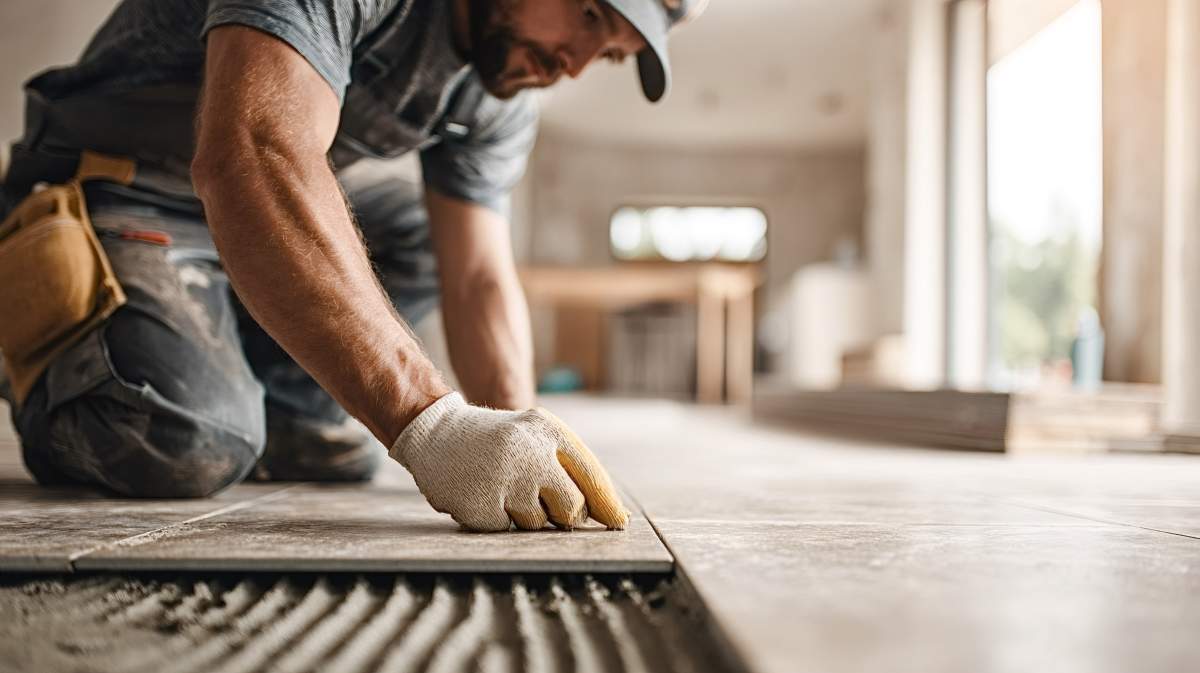
- Porcelain tile: Generally more complex, especially for larger patterns or heated floors, and requires careful subfloor preparation—a common issue in older Grand Rapids homes.
- Engineered hardwood: Installation varies by product and can be floated, glued, or nailed depending on subfloor stability.
How Does Cost Compare, and What’s the Longevity?
Budget remains a central concern, especially when covering larger areas.
- Porcelain tile: Typically higher upfront material and labor costs, but lifespan often exceeds 20 years with little change in appearance.
- LVP: Moderate price and long life—some products carry warranties of 15-20 years.
- Engineered hardwood: Can be pricier than laminate or basic LVP, but adds value and typically lasts longer than laminate if properly maintained.
- Laminate: Generally the most affordable; lifespan depends on product quality and wear but can be expected to last 10-15 years in busy areas.
Upfront investment often correlates with long-term savings if replacement cycles are reduced.
Are There Common Misconceptions About High-Traffic Flooring?
Some believe only tile or stone can handle years of activity, but advances in LVP and engineered hardwood have narrowed the performance gap. Another misconception is that durable equals unattractive; modern manufacturing techniques produce realistic textures and patterns for both LVP and laminate, so aesthetics need not be sacrificed. Conversely, some underestimate the maintenance grout requires with tile or the importance of good-quality underlayment for noise and comfort with laminate.
Which Flooring Is Most Pet- or Kid-Friendly?
In Grand Rapids, many households juggle muddy paws, dropped toys, and run-and-tumble play. LVP often emerges as the practical front-runner, balancing scratch resistance, water tolerance, and comfort. Laminate can also perform well, but choosing a textured, higher-end product reduces visible scratching and slipperiness. Tile floors are easy to clean but can be hard and cold for play areas.
What Should Residents Consider Before Choosing?
Every home’s pattern of use matters: entryways with heavy outdoor flow, kitchens with lots of spills, or family rooms doubling as play spaces all have distinct needs. Considerations should include:
- Level of exposure to moisture or tracked-in grit
- Desired look (wood, stone, tile, or more unique finishes)
- Allergies or dust sensitivity (hard surfaces reduce trapped allergens)
- Preference for warmth and comfort underfoot
- Ease of installation or future removal
Area households benefit from assessing which spaces see the most action and selecting floorings rated for both intended use and local climate challenges, ensuring attractive, long-lasting results.